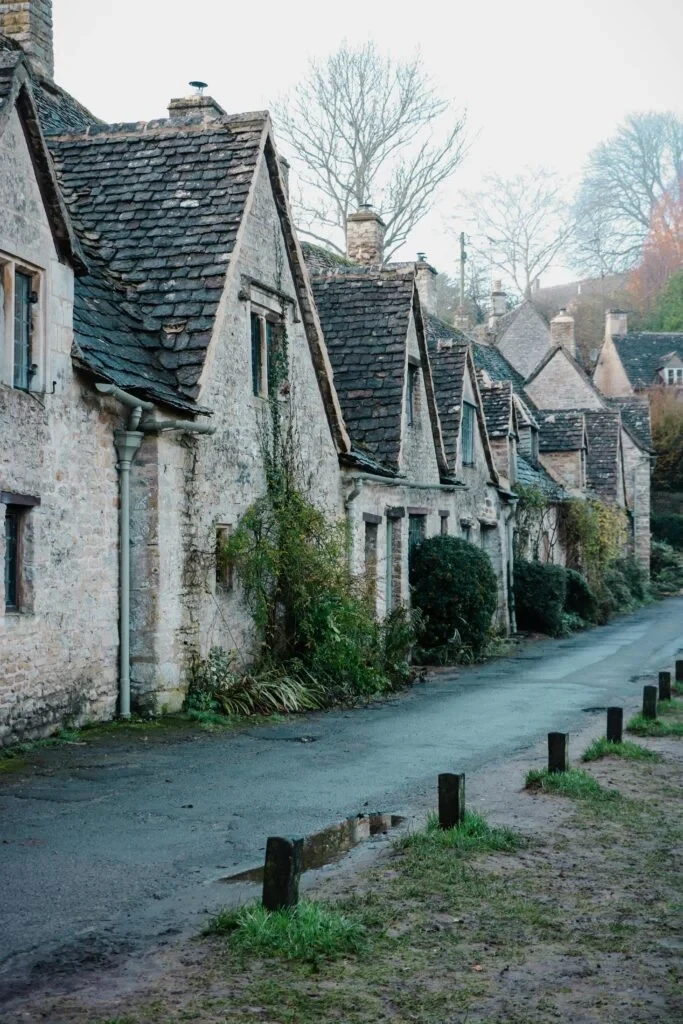
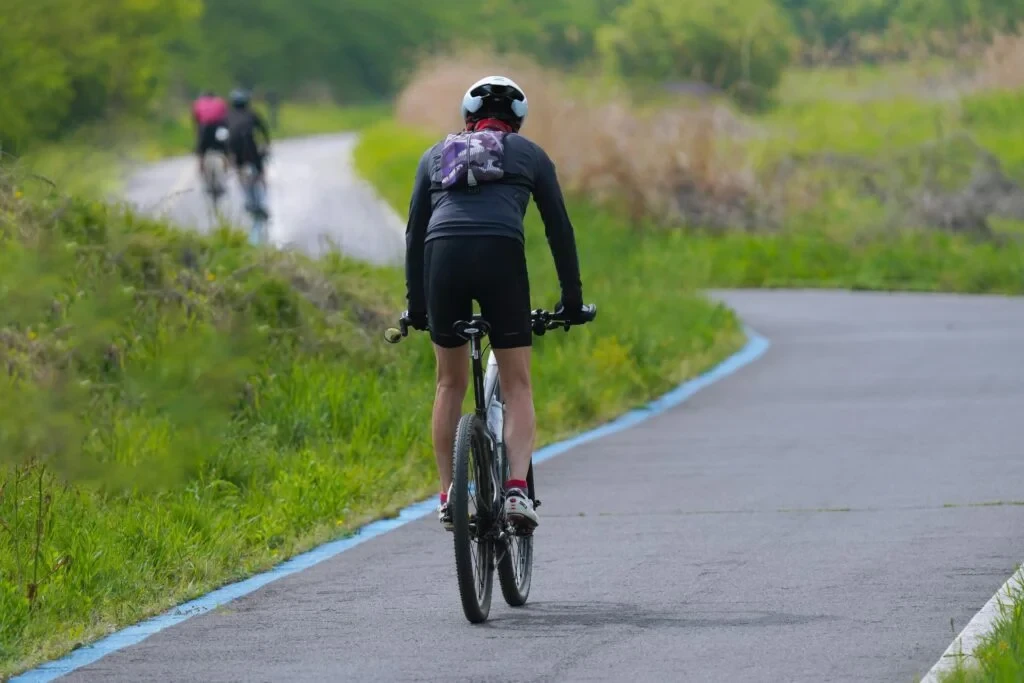
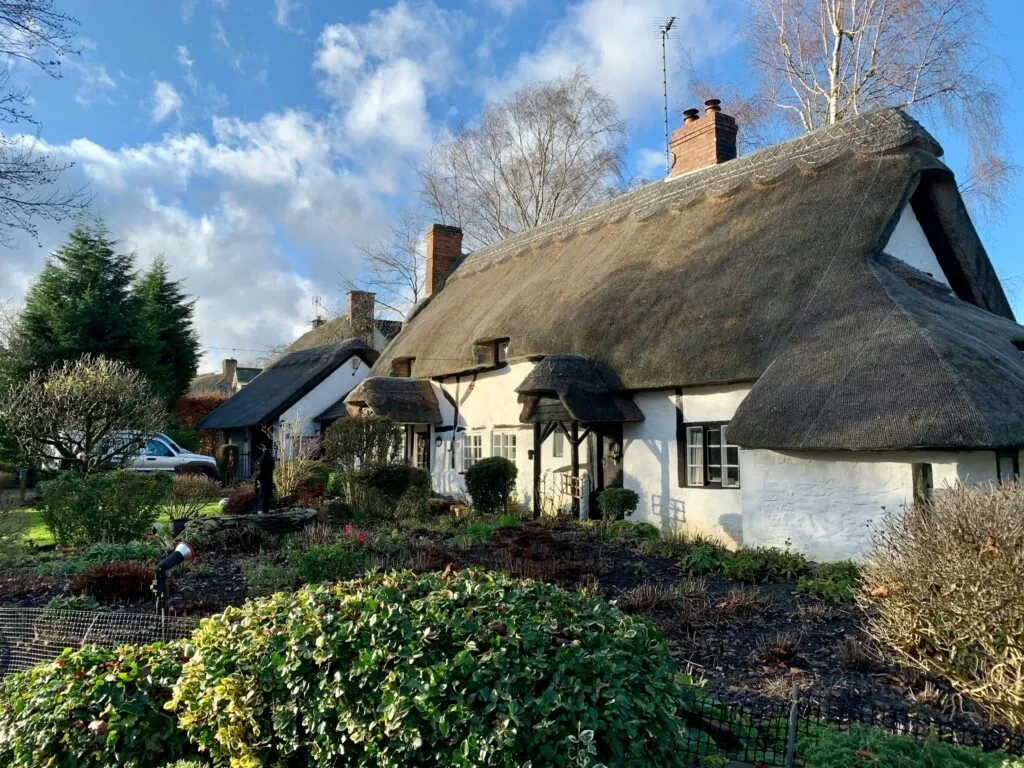
Step out onto The Cotswold Way National Trail, one of England’s most celebrated long-distance routes for walkers, cyclists, and outdoor explorers. Winding along the western edge of the Cotswolds Area of Outstanding Natural Beauty, the trail serves up sweeping escarpment views, honey-stone villages, historic landmarks, and some of the finest countryside in the UK. From traditional pubs to characterful places to stay, we’ll help you plan every stage of your journey, however you choose to take it on.
Key Information
- Distance102 miles (164km)
- Typical Time to Complete7–10 days
- Start PointChipping Campden
- FinishBath
- Elevation3,000–3,200m
- Highest PointCleeve Hill
- Longest SectionCold Ashton to Bath
- Shortest SectionDowdeswell to Leckhampton Hill
The Route, Stage by Stage
All 15 stages of the Cotswold Way, north to south, with distance and a quick sense of what each day looks like.
| Section | Distance | Overview |
|---|---|---|
| Chipping Campden to Broadway | 6 miles (9.6 km) | The trail's opening stretch, climbing onto the escarpment for sweeping views towards the Malvern Hills. |
| Broadway to Wood Stanway | 6.5 miles (10.5 km) | A shorter stage of open hilltop walking and quiet woodland with views across the Vale of Evesham. |
| Wood Stanway to Winchcombe | 5.4 miles (8.7 km) | Descends from the escarpment through parkland and open countryside into historic Winchcombe. |
| Winchcombe to Cleeve Hill | 5.6 miles (9 km) | Short but demanding, climbing to Cleeve Hill, the highest point on the entire trail. |
| Cleeve Hill to Dowdeswell | 5.5 miles (8.9 km) | Classic ridge walking with wide open views, descending gradually towards Dowdeswell. |
| Dowdeswell to Leckhampton Hill | 4.7 miles (7.6 km) | The shortest section on the trail, a steady climb back onto high ground above Cheltenham. |
| Leckhampton Hill to Birdlip | 5.6 miles (9 km) | Dramatic escarpment walking with open common land and far-reaching valley views. |
| Birdlip to Painswick | 8.6 miles (13.8 km) | Moves away from the escarpment into quieter woodland, farmland and hidden valleys. |
| Painswick to King's Stanley | 7.8 miles (12.6 km) | An undulating, varied stage through woodland, open fields and quiet valleys. |
| King's Stanley to Dursley | 7.2 miles (11.6 km) | One of the trail's finest viewpoints, passing Coaley Peak on the way to Dursley. |
| Dursley to Wotton-Under-Edge | 7.3 miles (11.7 km) | Open hilltop walking over Stinchcombe Hill before descending into Wotton-under-Edge. |
| Wotton-Under-Edge to Hawkesbury Upton | 7.4 miles (11.9 km) | A quieter, rural stretch through rolling farmland and ancient woodland. |
| Hawkesbury Upton to Tormarton | 7.7 miles (12.4 km) | Open farmland and rolling hills as the trail approaches the southern Cotswolds. |
| Tormarton to Cold Ashton | 6.6 miles (10.6 km) | The start of the final approach to Bath, with softer hills and broader views. |
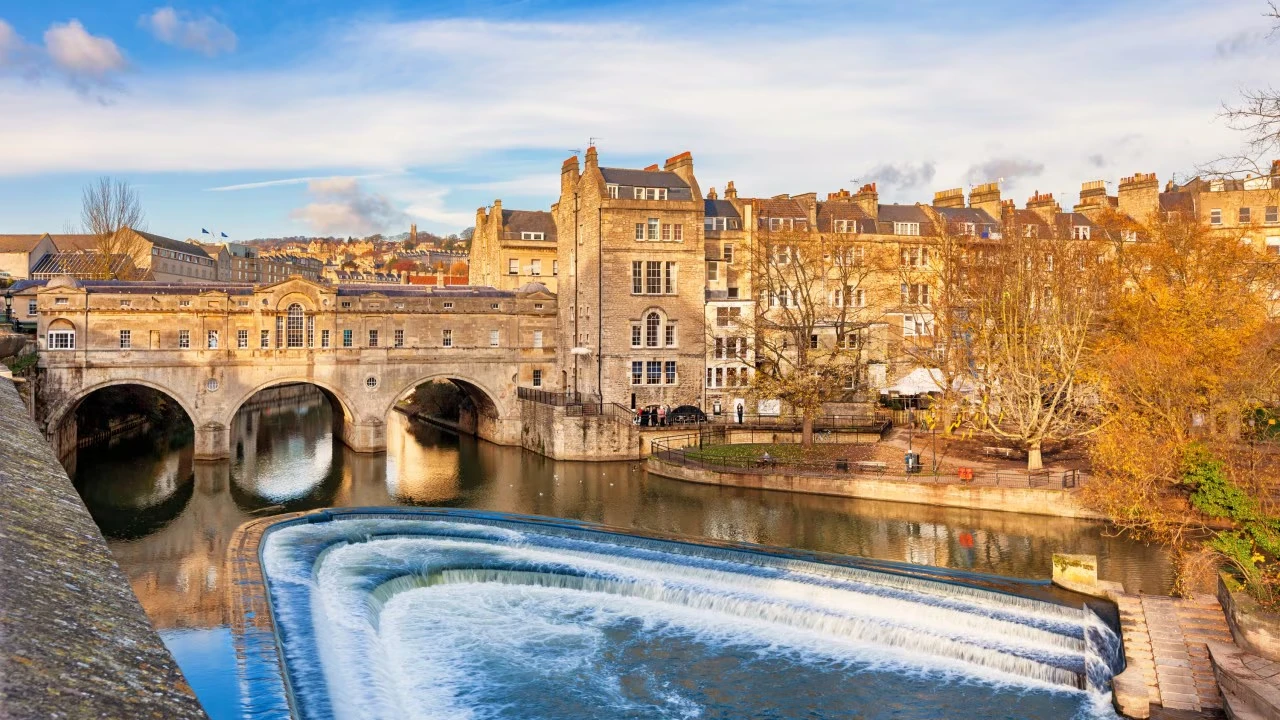
| Cold Ashton to Bath | 10.2 miles (16.4 km) | The final stage, transitioning from open countryside into the historic city of Bath. |
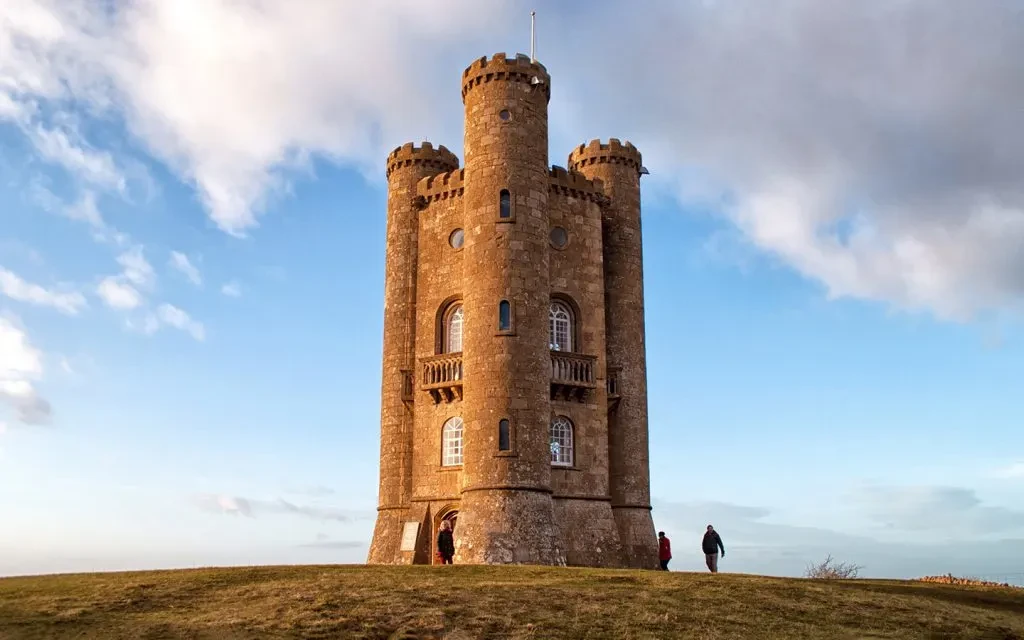
Highlights Along the Way
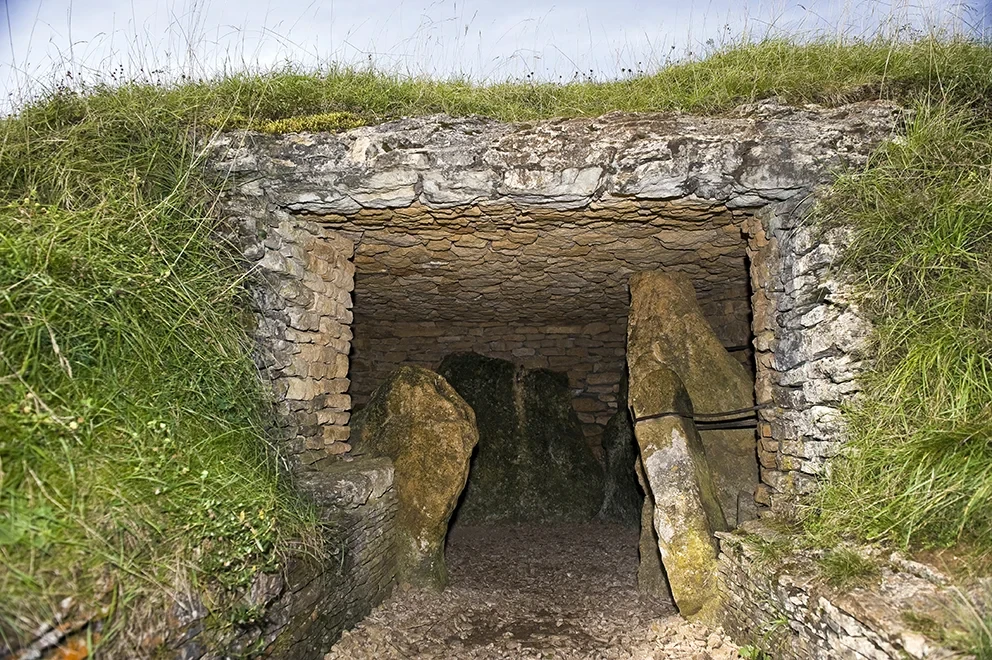
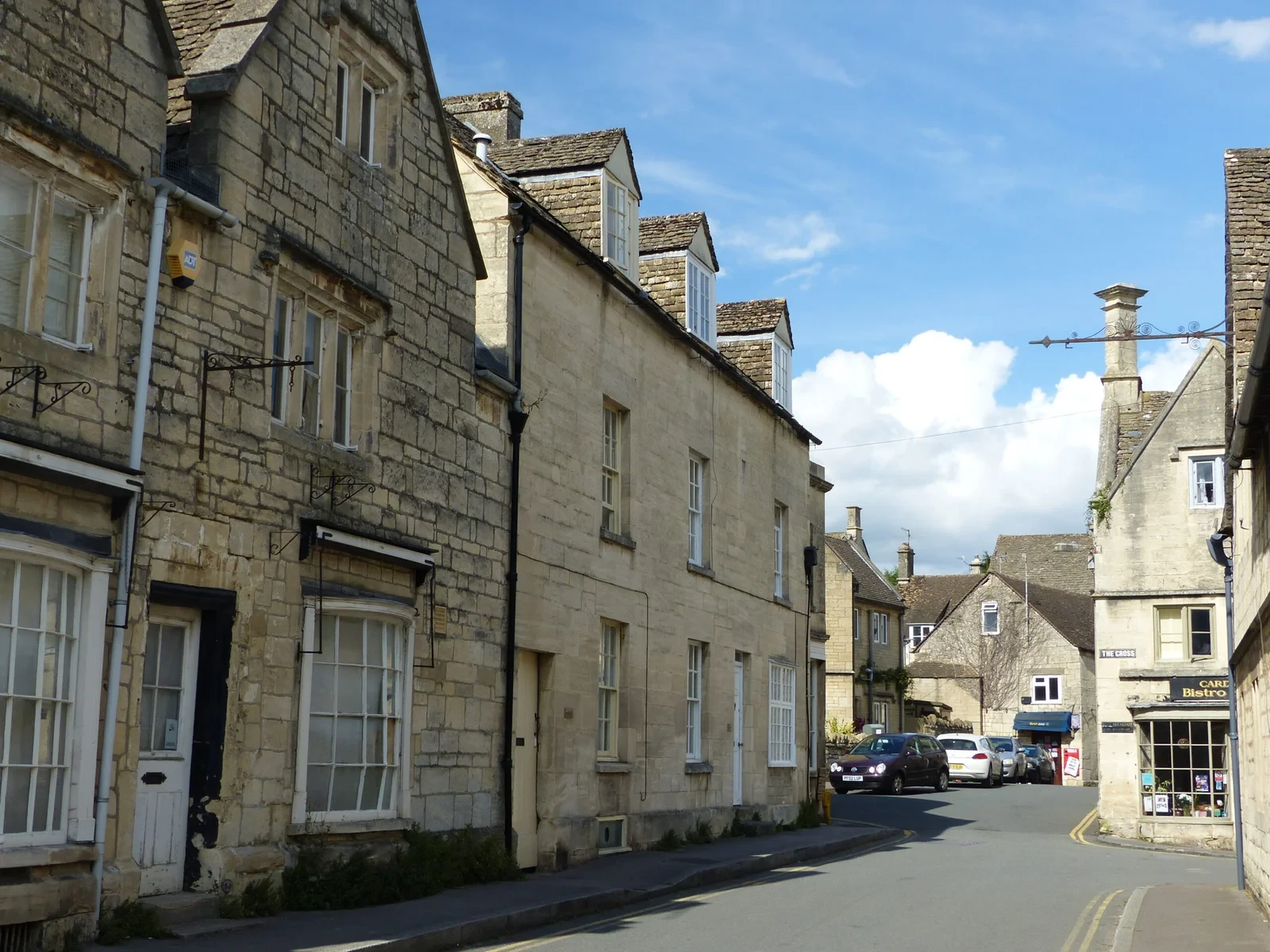
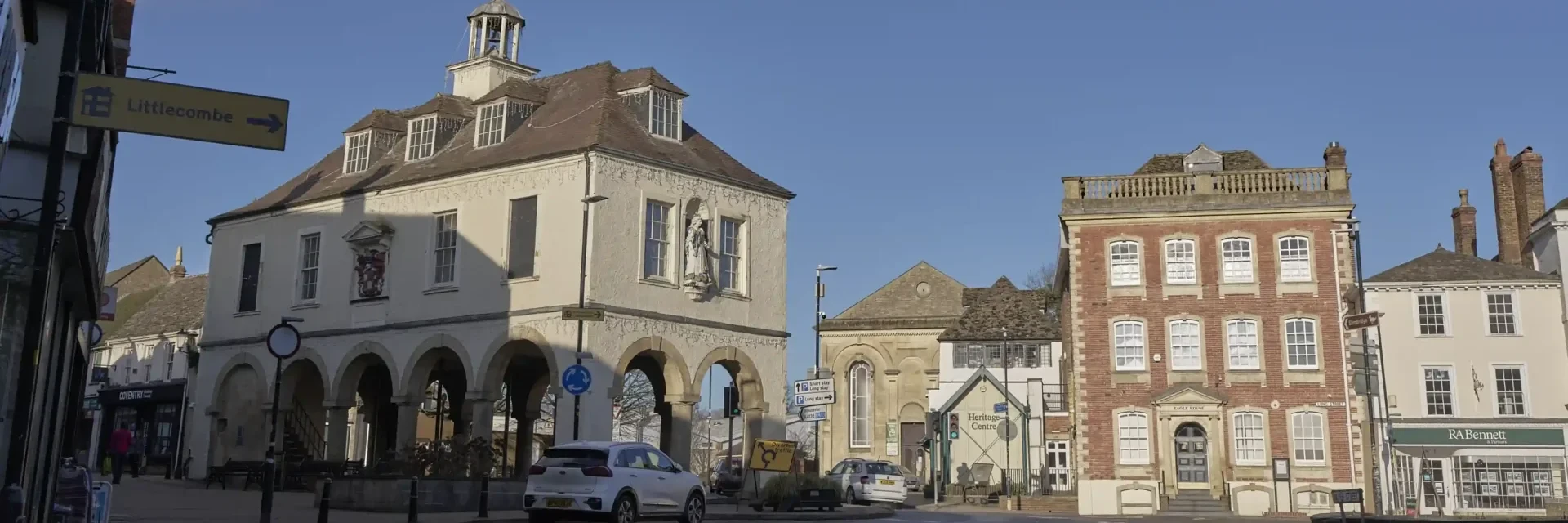
A handful of the landmarks you'll pass between Chipping Campden and Bath.
Ready to Start Planning?
Everything you need to put your trip together is right here.
The Cotswold Way National Trail stretches for approximately 102 miles, running between Chipping Campden in the north and Bath, a UNESCO World Heritage city, in the south. Following the dramatic limestone escarpment of the Cotswolds, the route offers ever-changing views across the Severn Vale, the Malvern Hills, and beyond. The trail is clearly waymarked throughout, making it accessible for both first-time long-distance walkers and seasoned trail veterans.
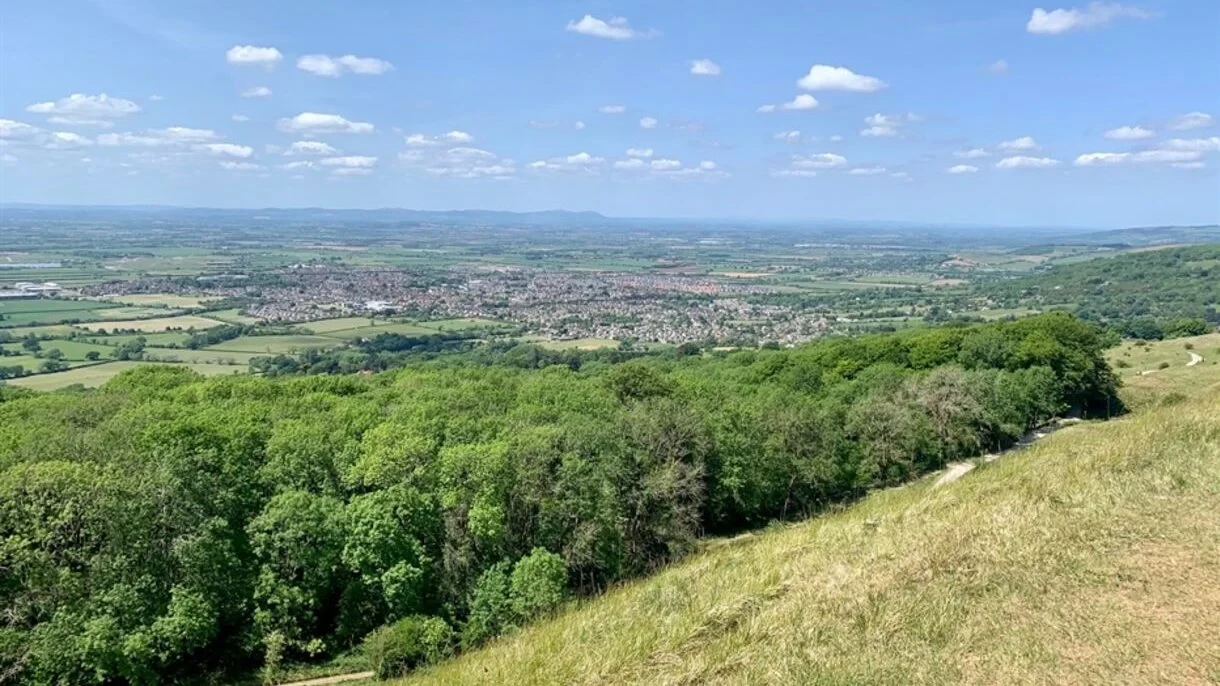
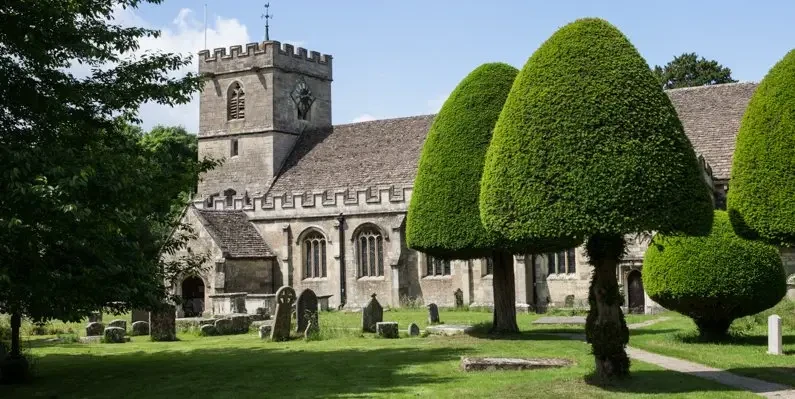
Along the way, you’ll pass through quintessential Cotswold villages, ancient woodlands, and rolling pastureland, with plenty of opportunities to stop for local food, explore historic sites, or simply soak in the scenery. Highlights include Iron Age hill forts, medieval churches, grand country estates, and peaceful stretches of open countryside that feel wonderfully remote. Whether you’re starting in Chipping Campden or finishing in Bath, The Cotswold Way delivers a journey rich in landscape, heritage, and classic English charm.
Other National Trails to Consider
Cleveland Way
A 109-mile route that combines the sweeping heather moorland of the North York Moors with dramatic coastal walking along the North Sea, featuring rugged cliffs and expansive sea views.
Hadrian’s Wall Path
An 84-mile coast-to-coast walk tracing the line of Hadrian’s Wall across northern England, with Roman forts, windswept crags, and wide open landscapes along the way.
North Downs Way
A 153-mile trail following the chalk ridge of the North Downs from Farnham to the White Cliffs at Dover, with an alternative branch to Canterbury. The route offers woodland trails, open downs, vineyards, and historic pilgrimage paths.
South Downs Way
A 100-mile ridge walk running from Winchester to Eastbourne, known for its rolling chalk hills, wide views, and easy access points for shorter walks.
The Ridgeway
Often described as Britain’s oldest road, this 87-mile route runs from Avebury to Ivinghoe Beacon, passing prehistoric landmarks including hillforts, long barrows, and the famous Uffington White Horse.
Thames Path
A 185-mile riverside trail following the River Thames from its rural source at Thames Head to the Thames Barrier. The route features gentle walking through meadows, historic towns, locks, and bridges as it approaches the capital.
Frequently Asked Questions
How long does it take to walk the Cotswold Way?
Most walkers complete the 102-mile trail in 7–10 days, although some walk it in shorter sections over multiple weekends.
Where does the Cotswold Way start and finish?
The trail starts in Chipping Campden in Gloucestershire and finishes in the historic city of Bath.
How difficult is the Cotswold Way?
The trail is generally rated moderate. While the paths are well maintained, there are frequent climbs along the Cotswold escarpment and some long days of walking.
Can beginners walk the Cotswold Way?
Yes. Many first-time long-distance walkers choose this trail because it is well waymarked and passes through villages with accommodation and transport.
What is the best time of year to walk the Cotswold Way?
The most popular months are April to October. Spring brings wildflowers and lambs in the fields, while autumn offers quieter paths and colourful foliage.
Is the route well signposted?
Yes. The trail is a UK National Trail and is clearly marked with the acorn symbol along most of the route. We’ve also provided detailed section guides to each part of the Cotswold Way to help keep you on track.